Antihypertensive medications and hepatocellular carcinoma risk: a systematic review
Keywords:
Hepatocellular carcinoma, Antihypertensive drug, ACE inhibitors, ARBs, Beta-blockers, Diuretics, Liver cancerAbstract
Introduction: Emerging evidence suggests that antihypertensive medications may influence the risk, progression, and survival outcomes of hepatocellular carcinoma (HCC). However, findings across studies remain inconsistent. This systematic review aims to evaluate and synthesize current data on the associations between different classes of antihypertensive drugs and liver cancer outcomes.
Materials and methods: A systematic review was conducted, incorporating randomized controlled trials, cohort studies, retrospective analyses, and in vitro studies that investigated the relationship between antihypertensive medications and HCC. Extracted data included study design, population characteristics, drug categories, primary outcomes, and study limitations.
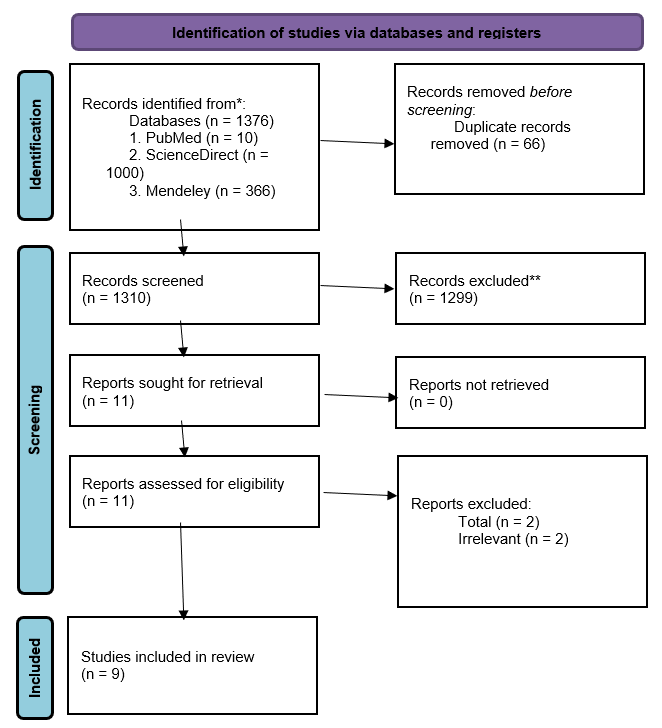
Results: Nine studies met the inclusion criteria, encompassing diverse study designs and patient populations. Renin-angiotensin system (RAS) inhibitors—including ACE inhibitors and angiotensin receptor blockers (ARBs)—were most consistently associated with reduced HCC incidence and improved survival. Thiazide diuretics demonstrated potential protective effects in genetic studies, though results were mixed in larger population-based analyses. Beta-blockers yielded inconclusive evidence: while some studies linked them to increased HCC risk, others found neutral or beneficial effects, particularly for non-selective Beta-blockers in patients with established HCC. Additionally, one preclinical study highlighted possible anti-cancer activity of agents like chlorpromazine and prazosin.
Conclusion: RAS inhibitors show the strongest and most consistent evidence for a protective effect against HCC development and progression among antihypertensive drug classes. Certain non-selective Beta-blockers may also offer survival benefits in specific patient populations. However, conflicting findings and methodological limitations across studies underscore the need for high-quality prospective research to confirm these associations and inform clinical practice.
Additional Files
Published
How to Cite
License
Copyright (c) 2025 Shadman Newaz, Fahmida Zaman, Ayesha Noor, Promita Das, Fariha Tanjim, Farhana Ferdaus Raisa, Muhsina Farhat Lubaba, Jannat Ara Tina, Supritom Sarker

This work is licensed under a Creative Commons Attribution-NonCommercial 4.0 International License.